
The United States has introduced New Rule for US Student Visas in years. In late 2025, new rules proposed under the Trump administration signaled major shifts in how F-1 (academic), J-1 (exchange), and M-1 (vocational) student visas will be processed, monitored, and regulated.
These changes aim to increase immigration oversight and strengthen national security, but they may also create new complexities for international students, including large numbers of applicants from India. This article by Brainerrs Overseas explains these updates in a clear and student-friendly manner.
1. Fixed Visa Duration Instead of “Duration of Status”
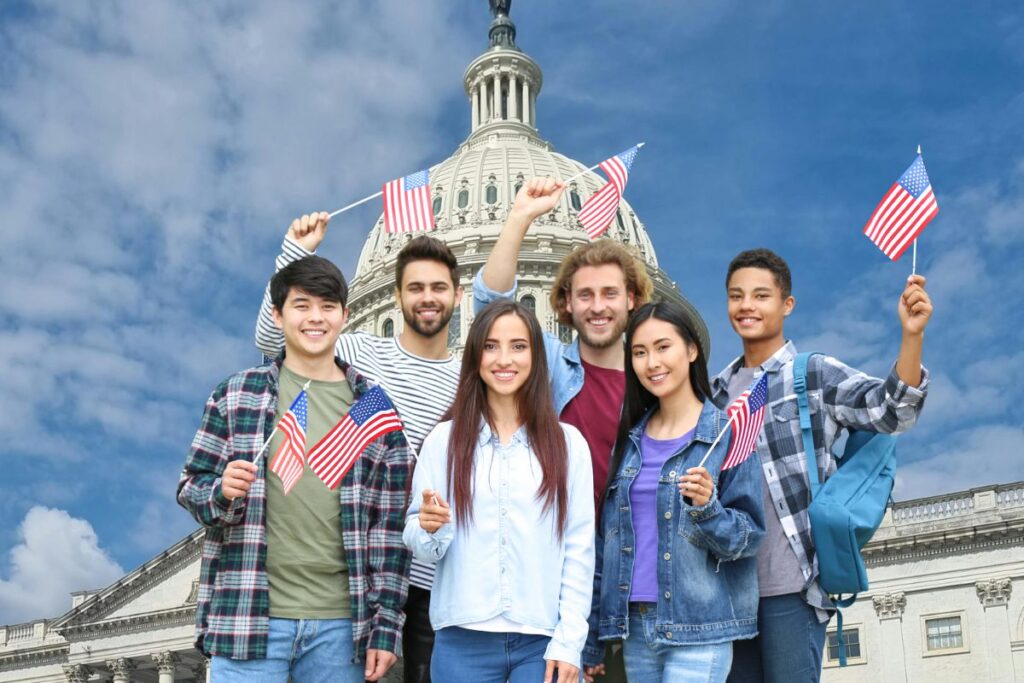
For decades, international students in the United States were admitted under a flexible system known as “Duration of Status” (D/S). This meant students could remain legally in the country as long as they stayed enrolled in their academic program, without a fixed end date on their I-94 record.
The new rule seeks to end the Duration of Status model. Under the proposed policy:
- Students will be admitted for a fixed period tied to the program end date on their I-20 or DS-2019.
- The maximum admission period will generally be four years.
- Students whose programs extend beyond the approved period will need to file for an extension of stay with USCIS.
This change affects students in long-duration programs such as PhDs, medical degrees, or extended research tracks. The need to file extensions adds additional paperwork, cost, and wait time.
2. Reduced Grace Period After Completing Studies
Under current regulations, students receive a 60-day grace period after completing their academic program or Optional Practical Training (OPT). During this time, they may prepare for departure, change status, or begin another academic program.
The new proposal reduces the grace period to 30 days. This shorter window means students must plan ahead carefully, especially those considering OPT, transferring schools, or transitioning to a work visa.
3. Mandatory Social Media Screening
Another major update involves expanded social media screening during the visa application process.
Applicants for all student visa categories must now:
- Provide usernames for all social media accounts used in the past five years.
- Ensure their profiles are publicly viewable for consular review.
This requirement aims to enhance security vetting but also places responsibility on students to maintain professional and consistent online behavior. Applicants should avoid last-minute deletion of accounts, as this could raise concerns during the review process.
4. Increased Visa Fees and New Charges
Recent policy changes have also introduced new fees and revised existing ones. These include:
- A Visa Integrity Fee applied to most nonimmigrant categories, including F-1, J-1, and M-1.
- Additional charges, such as the I-94 fee related to entry and exit tracking.
Applicants should factor these costs into their total study abroad budget, as U.S. visa processing may now be more expensive than in previous years.
5. Changes to Visa Interviews and Appointment Procedures
Interview processes and appointment rules have also undergone adjustments:
- Some previous interview waivers have been limited, requiring more students to attend in-person interviews.
- Visa renewals in many cases now require an interview instead of being processed via drop-box or waiver programs.
- Third-country visa applications (such as attending interviews in another country) have become restricted. Indian students now generally must apply through consulates within India.
These changes may lead to longer wait times for appointments and an increased emphasis on thorough preparation before the interview.
6. Impact on OPT, CPT, and Practical Training
The new rules also propose additional oversight of work authorization programs such as OPT and CPT. This includes:
- Tighter scrutiny of employers participating in CPT programs.
- Increased monitoring of educational institutions offering work-integrated programs.
- Potential limitations on certain forms of immediate CPT that have previously been popular.
Students should expect more documentation requirements from both universities and employers.
What Remains Under Review?
Many of these changes are still in the proposed or review stage. Final implementation may occur in phases and could be influenced by public comments, court challenges, and future administrative decisions. Students planning to study in the U.S. in 2026 and beyond should stay informed as regulations continue to evolve.
Brainerrs Overseas will track all official updates and guide students accordingly.
How These Changes Affect Indian Students
India has become one of the largest sources of international students in the United States. With these changes, Indian students should prepare for:
- Increased documentation requirements
- Longer appointment and processing timelines
- Higher fees
- Stricter interview procedures
- Additional scrutiny of social media and background information
- The need to plan ahead for visa extensions due to fixed admission periods
Proper preparation and expert guidance are now more important than ever.
How Brainerrs Overseas Helps
As a trusted study abroad consultancy in Delhi, Brainerrs Overseas supports students through every stage of the U.S. visa journey, including:
- University selection and application
- Visa documentation support
- Social media and profile review
- Interview preparation
- Pre-departure guidance
- Assistance with OPT and CPT planning
Our team continuously monitors new U.S. immigration policies to ensure our students are always prepared and confident.
Final Thoughts
The new student visa rules introduced in 2025 represent a major shift in how the U.S. manages international students. While the changes may introduce additional challenges, early planning and professional guidance can help students navigate the process smoothly.
Studying in the United States remains an excellent opportunity for academic growth, global exposure, and long-term career advancement. With the right support, Indian students can continue to achieve their dreams of studying abroad.
FAQs
1. What are the new changes announced for U.S. student visas in 2025?
The new rules introduce fixed visa durations, reduced grace periods, expanded social media screening, higher visa fees, stricter interview procedures, and tighter oversight of OPT/CPT programs.
2. Does the new policy remove the “Duration of Status” (D/S) for F-1 and J-1 students?
Yes. Instead of an open-ended Duration of Status, students will now receive a fixed admission period—usually tied to their program length, up to a maximum of four years.
3. How will the fixed four-year admission period affect students in long programs like PhDs?
Students in long-term programs may need to apply for an extension of stay with USCIS if their studies exceed the four-year period.
4. Has the grace period after completing studies changed?
Yes, the grace period may be reduced from 60 days to 30 days, giving students less time to prepare for OPT, continue studies, or depart the U.S.
5. Are students required to share their social media accounts during the visa process?
Yes. Applicants must disclose all social media usernames used in the last five years and ensure profiles are visible for review.
6. Can social media content impact my visa approval?
It can. Consular officers review posts for security risks, inconsistencies, or misleading information. Maintaining a professional online presence is important.
7. Have U.S. student visa fees increased under the new rules?
Yes. Additional charges and revised visa fees have been introduced, making the overall application process more expensive.
8. Will more students be required to attend in-person visa interviews?
Yes. Many categories that previously qualified for interview waivers now require in-person interviews, including some renewals.
9. Can Indian students apply for a U.S. visa interview in a third country?
In most cases, no. Third-country visa appointments have been restricted, and Indian students are expected to apply through U.S. consulates in India.
10. Will the new rules affect OPT and CPT opportunities?
Yes. The proposed policies include stricter oversight of OPT and CPT, including employer verification, documentation checks, and limitations on certain CPT programs.
11. Are the new visa rules already in effect?
Some changes have taken effect, while others remain proposed and may be implemented in phases. Students should stay updated through reliable sources.
12. Will the new rules affect visa processing times in India?
Likely yes. More interviews, increased documentation, and policy changes may lead to longer appointment wait times and processing delays.
13. Do the new rules make it harder for Indian students to get a U.S. visa?
The rules make the process more detailed and regulated, but with proper preparation and documentation, students can still successfully secure visas.
14. What documents will be more important under the updated system?
Academic records, financial proofs, intent to return home, social media transparency, and clear educational plans will carry more weight.
15. How can students prepare for these changes?
Students should plan early, maintain accurate documentation, monitor their online presence, stay updated on policy changes, and seek guidance from experienced consultants like Brainerrs Overseas.